Mega-farms
Poor hygiene conditions and ineffective waste management on industrial farms can allow bacteria such as salmonella and E. coli to flourish, creating the conditions for diseases like swine fever and avian flu.
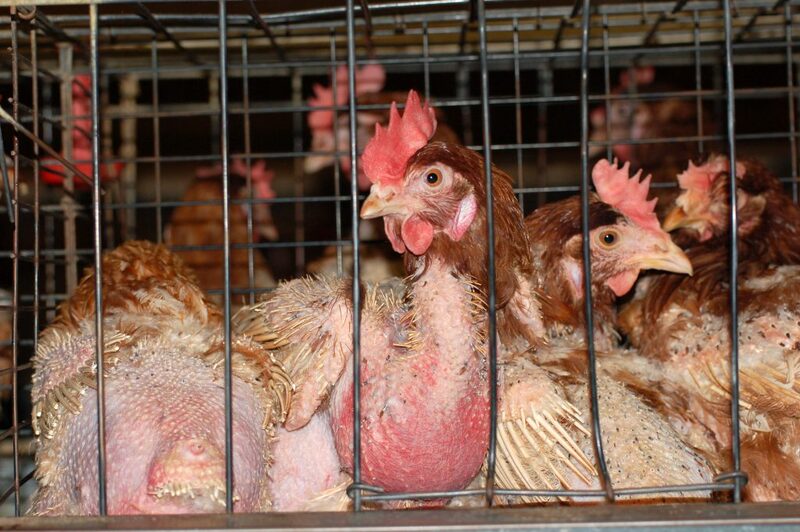
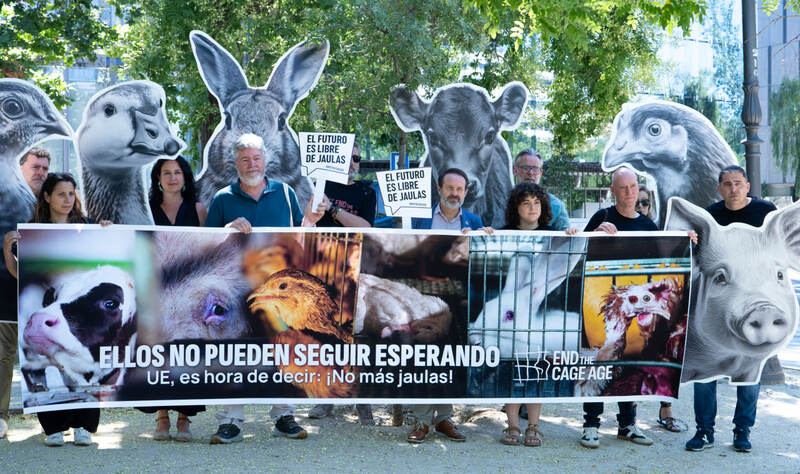
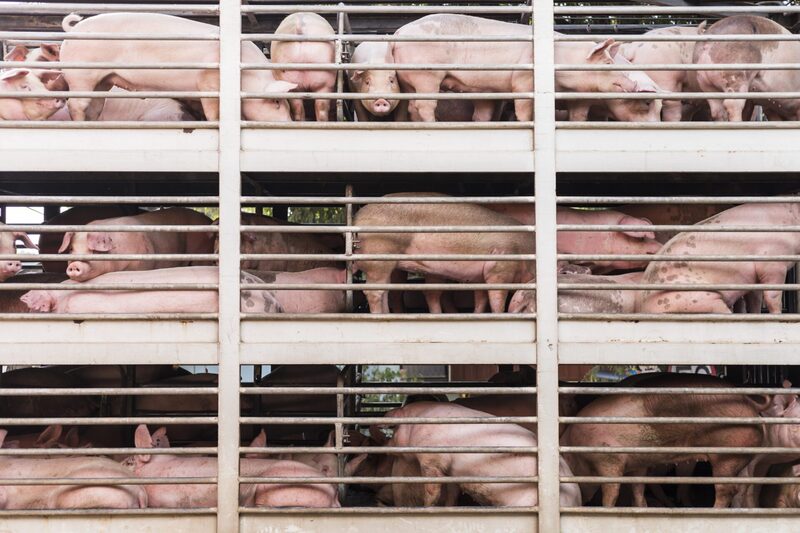
Industrial animal farming is devouring the planet, and so-called mega-farms are the cruelest and dirtiest face of this business. These enormous meat factories are responsible for climate change, unsustainability, and cruelty towards animals. With your signature, you can help put an end to this hell for animals.
The number of animals slaughtered in Spanish slaughterhouses during 2020 soared to 910 million. That's 2.5 million deaths a day, 104,000 every hour, 1,700 every minute, and nearly 30 every second.
Reaching these figures is only possible because intensive farming accounts for 84% of all animal farms in Spain producing meat, dairy, and eggs. These enormous factories subject animals to restricted movement, force them into a constant state of extreme overcrowding, and prevent them from developing their natural behavior.
Rescue: from darkness to light. A nighttime operation that freed four rabbits from the terrible conditions they were living in.
Poor hygiene conditions and ineffective waste management on industrial farms can allow bacteria such as salmonella and E. coli to flourish, creating the conditions for diseases like swine fever and avian flu.
We reveal the moving details of a nighttime operation that freed four rabbits from the terrible conditions they were living in. Amid the harsh reality animals face on meat farms in Spain, AnimaNaturalis has managed to bring a ray of hope to these four lives.
What we want most is for every rabbit enduring the terrible conditions of the meat industry to have the chance to run, jump, enjoy the sky above their heads, eat well, and live alongside others of their kind in dignified, natural conditions.
On industrial farms, animals are treated as machines used to achieve extremely high production rates, always at the expense of their welfare.
In Spain, this intensive production system keeps growing. In 2021, meat production in Spain surpassed the 2020 record, exceeding 8 million tonnes.
During gestation and farrowing, 2.5 million sows are confined in individual crates so small they cannot even turn around. Breeding sows spend nearly half their lives in these crates, forced into relentless cycles of reproduction. In Sweden, all sow crates have been banned since 1994, and in the United Kingdom since 1999.
According to the National Center for Biotechnology Information (NCBI), around 40% of the antibiotics produced worldwide are used as additives in animal feed.
Excessive antibiotic consumption through meat and dairy leads to the emergence of bacteria that are increasingly resistant to known treatments.
Cows and bulls are highly social animals. However, calves are separated from their mothers just hours after birth and isolated in pens where they cannot develop their normal herd behavior or have contact with other calves or their own mothers.
In general, all animals deprived of the opportunity to express their natural behaviors show a high incidence of stereotypies, considered an indicator of poor welfare.
We call for an end to industrial farming. With particular urgency, we demand:
Only you can help end industrial farming and put a stop to the suffering of millions of animals.